

Unlock More Sales: Top Ecommerce Website Design Solutions for Small Businesses
Your ecommerce website design is a powerhouse for boosting conversions. By blending a user-friendly experience with a compelling visual flow, you can see sales jump by 30–40 percent, thanks to straightforward navigation and a smooth checkout process. Small business owners often juggle tight budgets and technical hurdles, but a smart site strategy can turn casual visitors into dedicated buyers while solidifying your brand’s authority. This guide dives into selecting the perfect platform, implementing crucial design best practices, integrating sales-driving elements, refining your SEO, exploring advanced design solutions, tracking your success with key metrics, and managing your budget for the best possible return. Whether you’re just starting your online store or giving an existing one a makeover, these actionable tips from SMB Marketing Hub and Astound Media will equip you to build a high-performing ecommerce site.
“A truly effective ecommerce website design for small businesses goes beyond aesthetics; it’s about engineering a seamless journey that converts visitors into dedicated buyers and solidifies brand authority.” – Jorge Leger, Founder and Digital Marketing Consultant at Astound Media
Which Ecommerce Website Builders Offer the Best Design Solutions for Small Businesses?
Choosing the right builder lets your small business launch fast, stay in control, and scale sales without needing a huge technical team. Platforms like Shopify, BigCommerce, WooCommerce, and Wix each offer unique features suited for different budgets, product lines, and growth plans. For instance, a startup selling handmade crafts might lean towards easy-to-use templates and built-in payment options, while a growing fashion boutique might need advanced inventory management and ways to sell across multiple channels. Understanding what each builder does best is key to building a lasting online presence that matches your sales targets and operational capabilities, often through robust design solutions.
How to Pick the Ideal Ecommerce Platform and Design Solutions for Your Business Size and Niche
Selecting a platform means looking at how well it scales, how easy it is to use, its customization options, payment gateways, and features specific to your industry. Smaller operations often thrive with hosted solutions that offer drag-and-drop interfaces and integrated marketing tools. Meanwhile, specialized niches like digital products or subscription services might need custom plugins or API access. Focus on platforms that can handle your product types, anticipated traffic, and budget, providing effective design solutions. This ensures your site stays responsive and ready to convert as your sales grow, saving you from costly migrations and downtime later.
What Are the Key Features of Shopify, BigCommerce, WooCommerce, and Wix?
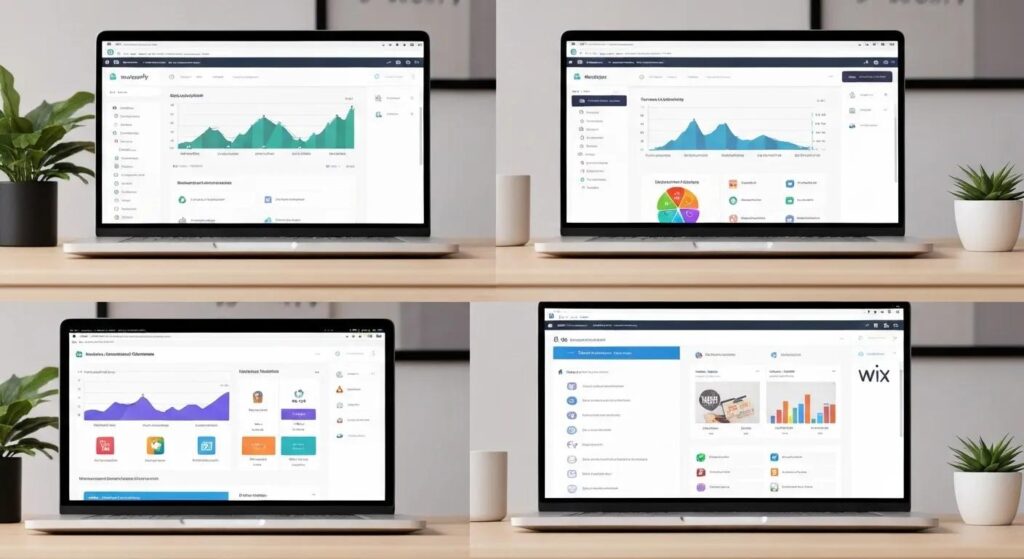
Here’s a quick rundown of the core features across popular platforms.
This comparison highlights how each builder tackles speed, flexibility, and overall cost, helping small businesses find their perfect fit among various options.
How Do Platform Costs Affect Your Ecommerce Website Design Solutions Budget?
Platform costs include monthly fees, transaction percentages, add-on expenses, and design templates. While lower-tier plans might seem budget-friendly, they often require paid add-ons for advanced marketing or shipping capabilities. Similarly, custom designs or professional development for your site add to your initial investment but can significantly boost conversions by offering a unique brand experience. Finding the right balance between subscription levels and essential add-ons helps you stick to your budget while unlocking features that directly drive more sales and keep customers coming back.
Which Platform Delivers the Best ROI for Small Business Ecommerce?
Return on investment is all about the total cost versus the revenue you gain. Platforms with reasonable monthly fees but powerful conversion tools, like built-in abandoned cart recovery, email marketing integrations, and mobile optimization, often provide the best ROI. For example, a business using Shopify’s mid-tier plan might see a 25 percent increase in average order value through automated email campaigns, easily covering the cost of extra apps. By estimating your potential sales against the combined costs of the platform and design, you can determine which solution offers the quickest path to profitability.
What Are the Essential Ecommerce Website Design Solutions and Best Practices to Drive Sales?
Following ecommerce design best practices ensures visitors can find what they need quickly, trust your brand, and complete their purchases without any hassle. A smart combination of user experience planning, mobile-friendliness, clear navigation, and engaging visuals creates an environment where shoppers feel confident and guided. By implementing these principles and leveraging effective design solutions, small businesses can turn casual browsers into loyal customers, boosting lifetime value and paving the way for steady revenue growth.
How Does User Experience (UX) Impact Ecommerce Sales?
User experience covers everything from how fast your site loads to how easy it is to navigate and interact with. A smooth, intuitive experience reduces frustration and keeps visitors engaged, directly leading to more sales. For instance, well-organized category pages that allow users to find products in just a couple of clicks significantly increase the chances of an item being added to the cart. Great UX, a core component of effective design solutions, builds trust and positions your store as dependable, encouraging shoppers to complete their purchase instead of leaving their carts behind.
Why Is Mobile-Responsive Design Crucial for Online Stores?
Mobile-responsive design ensures your website looks and works perfectly on any device, from desktops to smartphones and tablets. This means clear text, easy-to-tap buttons, and simple forms, regardless of screen size, with over 60 percent of online traffic originating from mobile devices, a site that isn’t mobile-friendly risks high bounce rates and lost sales. Using flexible layouts and adaptable images, key aspects of modern design, not only improve user satisfaction but also help you rank better in search engines, driving more organic traffic and mobile conversions.
How to Build Intuitive Navigation and a Clear Site Structure?
Intuitive navigation relies on clear menu labels, breadcrumb trails, and effective search functions to guide visitors to products and information. Grouping similar items under logical categories makes it easier for shoppers to discover what they’re looking for and reduces decision fatigue. For example, a clothing store might use a path like “Women → Dresses → Maxi Dresses” to help customers quickly find specific items. A well-organized site structure, a fundamental part of robust design, benefits both users and search engines, improving how your site is crawled and making the user journey smoother.
What Role Do High-Quality Product Images and Visual Hierarchy Play?
High-resolution photos, zoom capabilities, and consistent image styling project professionalism and showcase product details effectively, helping customers make informed decisions. These visual elements are crucial components of effective design. Visual hierarchy uses size, contrast, and spacing to draw attention to important elements like calls to action, prices, shipping information, or special offers. This strategic emphasis guides the shopper’s eye toward conversion points, reinforcing their intent to buy and creating a premium brand image that justifies your pricing.
How Can Conversion-Focused Ecommerce Website Design Solutions Boost Your Sales?
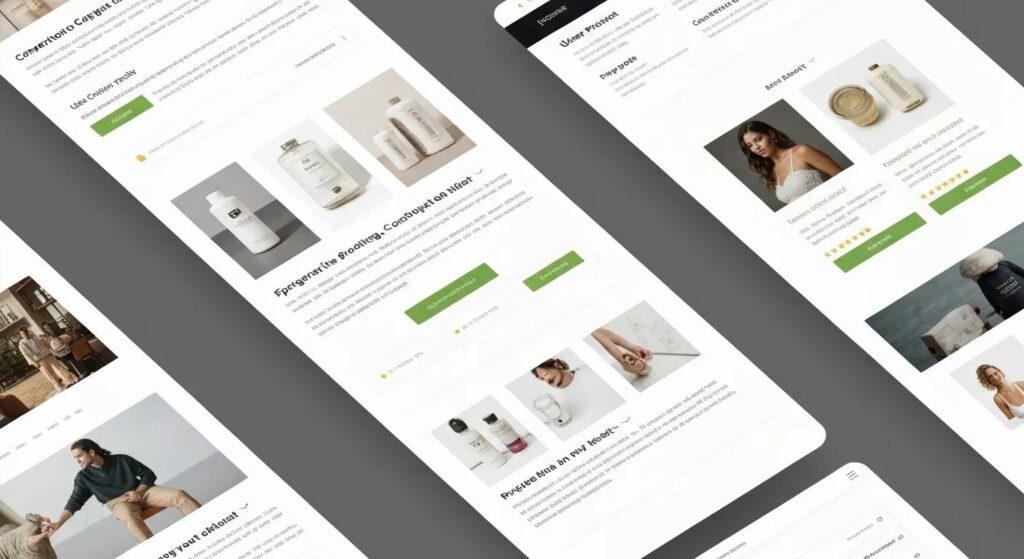
Conversion-focused elements use persuasive design and trust signals to encourage visitors to take desired actions. Optimized product pages, seamless checkouts, social proof, and compelling calls to action work together to reduce cart abandonment and speed up the buying decision. By treating every page as a chance to convert, small businesses can maximize revenue from their existing traffic without solely relying on attracting new customers, making use of these key design solutions.
What Are the Best Practices for Optimizing Product Pages?
Optimized product pages feature clear headlines, concise descriptions, benefit-driven bullet points, customer reviews, and high-quality images to answer shopper questions and overcome objections. Including key specifications, showing products in use, and offering FAQs directly on the page can alleviate doubts. Prominent “Add to Cart” buttons, alongside trust badges and stock availability indicators, simplify the purchase decision. Together, these practices enhance conversion rates by making the product evaluation process straightforward, a hallmark of effective design.
How to Streamline the Checkout Process to Reduce Cart Abandonment?
Streamlined checkouts involve minimizing form fields, offering guest checkout options, and providing various payment methods like digital wallets and buy-now-pay-later services. Clearly stating shipping costs upfront and allowing users to save their progress prevent unexpected charges that often lead to abandonment. Progress indicators reassure buyers about how many steps are left, and a single-page checkout further reduces friction. Ensuring checkout security with visible encryption seals builds trust and boosts completion rates, making it a critical part of robust design.
How Does Using Social Proof and Customer Reviews Build Trust?
Social proof elements, like star ratings, customer testimonials, and user-submitted photos, showcase genuine customer satisfaction and reduce perceived risk. Displaying recent purchases and user-generated content in galleries reinforces community endorsement. When shoppers see that others have had positive experiences, they feel more confident making a purchase, a direct benefit of integrating social proof into your site. Embedding ratings as structured data can also lead to rich snippets in search results, attracting qualified buyers with visible endorsements.
What Are Effective Call-to-Action (CTA) Strategies for Ecommerce?
Effective CTAs use action-oriented language, contrasting colors, and strategic placement, either above the fold or after key content, to encourage clicks. Combining urgency (“Limited Stock!”) with benefit statements (“Get Yours Today!”) can significantly increase response rates. A/B testing different versions of your CTAs helps refine the messaging, color schemes, and button sizes to find what works best. Well-designed CTAs, a vital component of effective design, act as clear guides toward conversion, smoothly leading users through the purchase funnel.
What Ecommerce SEO Strategies and Website Design Solutions Drive More Organic Traffic and Sales?
Ecommerce SEO strategies involve optimizing your on-page content, technical site health, and local visibility to attract qualified visitors and turn them into customers. By optimizing product listings for relevant searches, ensuring your site structure is easily crawlable, and using local SEO tactics for physical store integration, small businesses can expand their reach, cut down on ad spending, and boost sustainable sales through integrated design solutions.
How to Perform Keyword Research for Ecommerce Product Listings?
Keyword research for product listings involves finding high-intent phrases that match what users are searching for, such as “buy durable hiking boots” or “organic cotton baby onesies.” Analyzing search volume, competition, and commercial intent helps you craft effective title tags, meta descriptions, and on-page headings, all crucial for successful ecommerce design. Grouping related keywords into thematic clusters improves internal linking and builds topic authority. Incorporating specific modifiers like size, color, or intended use enhances relevance and attracts traffic with stronger purchase intent.
What Are the Technical SEO Essentials for Ecommerce Websites?
Essential technical SEO elements include creating an XML sitemap, managing robots directives, implementing canonical tags to avoid duplicate content issues, and ensuring fast server response times. Using structured data markup for products, reviews, and breadcrumbs helps search engines understand your page content and display rich results. Maintaining a logical URL structure and minimizing delays in JavaScript rendering keep your site easily crawlable. A strong technical foundation is crucial for indexability and maximizing your organic traffic potential, making it a cornerstone of effective design.
How Can Local SEO Boost Sales for Brick-and-Mortar Ecommerce Businesses?
Local SEO tactics, such as optimizing your Google Business Profile, embedding location schema, and building local citations, enhance your visibility for searches like “online clothing store near me.” Including your store hours, address, and customer reviews on product pages builds trust with local shoppers looking for quick pickup or delivery. Geo-targeted content and localized keywords connect your online store with local customers, creating omnichannel sales opportunities and strengthening your community presence, all supported by well-executed design solutions.
What Advanced Ecommerce Website Design Solutions Can Further Boost Sales?
Advanced design solutions utilize custom development, AI-driven personalization, and headless architectures to deliver highly customized experiences that adapt to user behavior in real-time. These innovations foster deeper engagement and unlock higher conversion rates by aligning site interactions with individual preferences, device contexts, and where the shopper is in their journey.
What Are the Benefits of Custom Ecommerce Website Design Solutions?
Custom design allows for unique brand storytelling, specialized functionality, and performance optimization that goes beyond standard templates, offering superior design solutions. A tailored site architecture can support unique checkout processes, dynamic pricing models, and integrations with your existing systems. This level of control results in distinctive user experiences that enhance brand perception and build customer loyalty. While the initial investment is higher, ongoing improvements and less reliance on third-party plugins lead to long-term efficiency and measurable sales growth.
How Is AI-Powered Personalization Transforming Ecommerce Design?
AI-powered personalization analyzes browsing habits, past purchases, and demographic data to offer curated product recommendations, dynamic homepage layouts, and tailored promotions, representing cutting-edge design solutions. Predictive algorithms show each visitor the most relevant products, increasing average order values and encouraging repeat business. Personalized email campaigns and site-wide merchandising adapt instantly, creating seamless, data-driven experiences that match shopper intent and drive incremental sales.
What Is Headless Ecommerce Architecture and How Does It Improve Sales?
Headless ecommerce separates the front-end user interface from the back-end commerce engine, offering unmatched design flexibility and performance, making it a powerful option among advanced solutions. This API-driven approach allows for rapid testing of user interfaces, faster loading times, and seamless integration across various platforms like mobile apps, kiosks, and IoT devices. By delivering content through lightweight frameworks, headless setups reduce latency and provide consistent shopping experiences, ultimately boosting conversions through speed and smooth cross-platform journeys.
Headless Ecommerce Implementation for Footwear Sales This paper examines the evolving domain of online shoe sales, advocating for an … outlines the architecture of a headless implementation for a footwear ecommerce website …Enhancing Ecommerce Footwear Business: A Headless Implementation Approach for Website and App Development, Unknown Author, Unknown
How Do You Measure the Success of Your Ecommerce Website Design Solutions?
Tracking how your design solutions impact sales means monitoring key performance indicators that show user engagement, conversion efficiency, and revenue attribution. Regularly reviewing analytics helps you spot trends, identify bottlenecks, and find optimization opportunities, creating a cycle of continuous improvement and sustained growth.
What Key Performance Indicators (KPIs) Reflect Design Impact on Sales?
Keeping an eye on these metrics over time clearly shows the direct link between design improvements and sales performance, guiding where you should invest your resources for the biggest impact on your design.
What Are the Typical Costs of Ecommerce Website Design Solutions and How Do They Affect Sales?
Understanding design costs helps small businesses allocate their budgets wisely to maximize revenue growth. Expenses range from template licenses and subscription fees to custom development, content creation, and ongoing maintenance for effective solutions. Balancing these costs against projected sales increases ensures your investments drive real returns, rather than just adding to your overhead.
What Factors Influence Ecommerce Website Design Solutions Pricing?
Pricing factors include the complexity of your site’s structure, the degree of customization, any third-party integrations, the amount of content, and the number of design revisions needed. Off-the-shelf themes lower initial costs but might require paid add-ons for advanced features. Custom builds involve design consultations, prototyping, and iterative testing, increasing upfront expenses but offering superior flexibility among design solutions. Don’t forget to factor in costs for product photography, copywriting, and ongoing optimization for the total cost of ownership.
How to Balance Design Quality and Budget for Maximum ROI?
Balancing quality and budget begins with prioritizing elements that directly drive revenue, such as mobile optimization, impactful visuals, and a smooth checkout process. Implementing in phases allows businesses to launch essential functionality quickly and then reinvest early profits into advanced features like personalization or a headless setup. Utilizing shared resources, like pre-built design components, can reduce development time and cost while maintaining professional design standards, resulting in an efficient, high-performing ecommerce presence through smart design solutions.
Effective ecommerce website design solutions, from choosing the right platform to implementing advanced personalization, are the foundation of a high-converting online store. By aligning your site’s structure with what users expect, incorporating conversion-focused elements, optimizing for search engines, and measuring results with specific KPIs, small businesses can boost sales and build lasting customer relationships. Continuous improvement based on data insights ensures your ecommerce investment stays agile and responsive to market changes. Partnering with experienced professionals provides the strategic guidance and technical expertise needed to accelerate your journey to online success with robust ecommerce website design solutions.
About the Author
Jorge is the Founder of Astound Media, a leading New York agency dedicated to helping organizations thrive with innovative web design and digital marketing. As a Digital Strategist and Marketing Consultant with more than a decade of expertise in WordPress, SEO, and automation, Jorge has a proven track record of delivering digital solutions that drive growth for mission-driven groups, small businesses, and nonprofits. Connect with Jorge on LinkedIn.
